
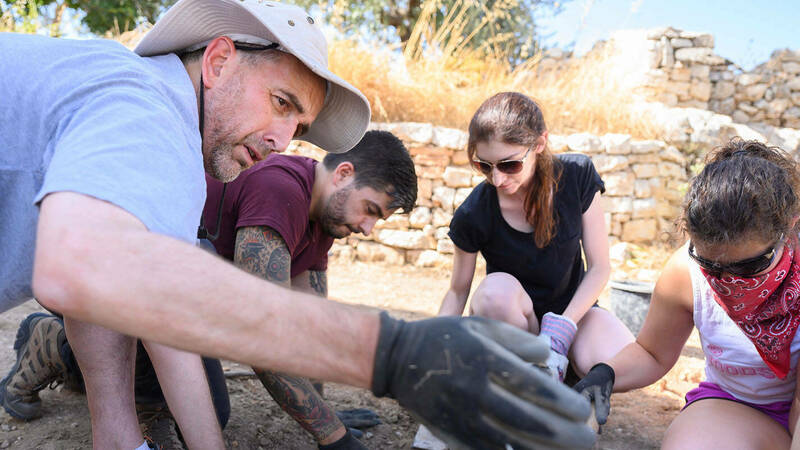
At the forefront of fields as wide-ranging as development economics, philosophy of religion, quantitative psychology, and Shakespeare, Arts & Letters faculty members’ original research and creative endeavors are central to Notre Dame’s ambitions to become the world’s preeminent Catholic research university.
There’s no place like Notre Dame when it comes to research, as we’re the only Catholic school ranked in the top 20 national research institutions and the only religiously affiliated member of the American Association of Universities. And there’s no place like Arts & Letters when it comes to research, as our faculty have won more National Endowment for the Humanities fellowships over the past 25 years than any other private university.
The liberal arts have been the heart and soul of the University since its founding, and our faculty continue that long legacy by advancing knowledge across the disciplines with an unwavering commitment to be a powerful force for good in the world.
And in the classroom and through conversation, they’re teaching graduate and undergraduate students to become researchers as well, helping them develop as lifelong learners and thought leaders.

A rarity in higher education, the Franco Institute is devoted to catalyzing faculty members’ scholarly or creative endeavors through awarding internal funding and helping secure and administer external fellowships and grants.


The Telegraph
October 01, 2026
“With his remarks about Irish unity, he distracted Americans and others into thinking he was conducting high-level international business,” Prof Robert Schmuhl, of the University of Notre Dame in Indiana, said.
September 30, 2026
Notre Dame medical anthropologist Aidan Seale-Feldman studies such questions. She’s spent the past couple years interviewing people who took psychedelics for improved mental health in settings ranging from underground churches to clinical trials, and, in many cases, emerged with a reshaped worldview.The Well spoke with Seale-Feldman about the possibilities and risks of psychedelic medicine, the rise of what she calls “secular mysticism,” and what these experiences reveal about the search for meaning today.
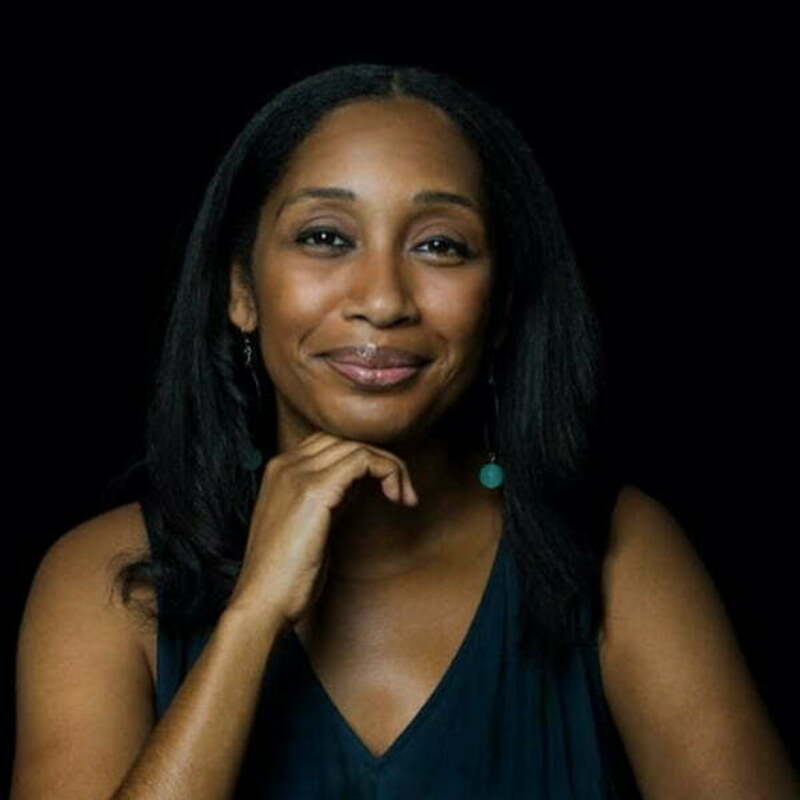
“Notre Dame is a wonderful place to creatively think about the world because of its commitment to developing the whole person. The institution in and of itself values not just STEM, not just math, but also the ways in which we think about cultivating the life of the human being. That’s really indicative in the ways that creative writing classes actually play out at Notre Dame.”

“More than anything, we have a group of people here at Notre Dame who really care about big-picture questions. It’s possible to build a career asking small questions that may only matter to a small group of scholars. The group that we have here really asks these big-picture questions about things like the state of democracy in the U.S. and how we might be able to make democracy stronger. And I think that’s important as a sort of guiding mission for the Department of Political Science.”

“Notre Dame is notable right now for a breadth of opinion and a more diverse intellectual climate than can be found at a lot of top universities. That’s something that I particularly value — the breadth of perspective that you can find at this University.”
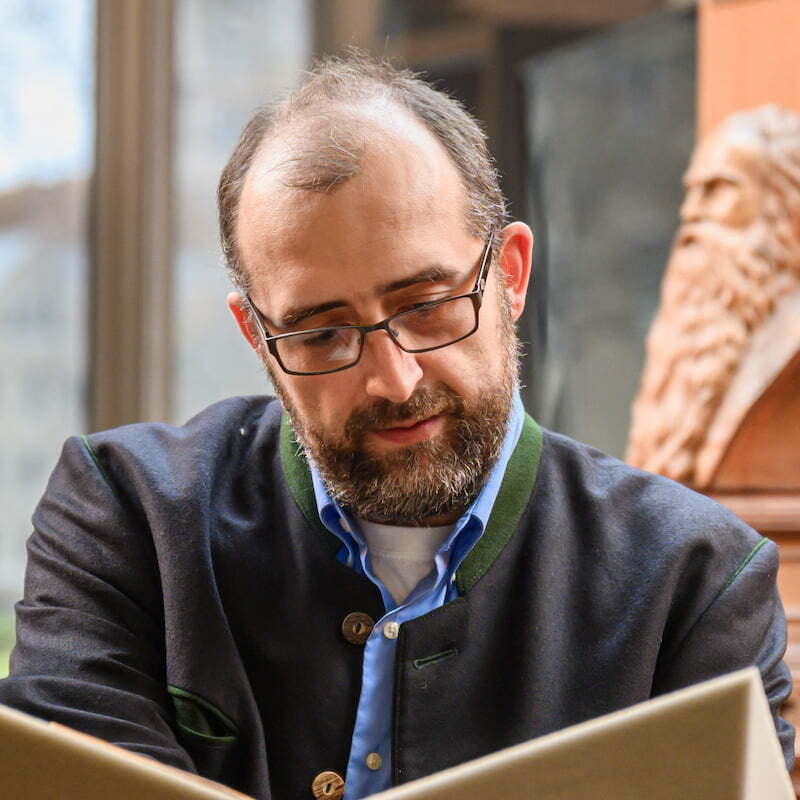
“The quest and the pursuit of truth is at the core of a Catholic university. And the ability to pursue truth with so many stellar colleagues from all different disciplines, from different worldviews and persuasions, is the really attractive thing about Notre Dame. Despite all our differences, despite our disciplinary boundaries, we share a common vision in that pursuit for truth.”
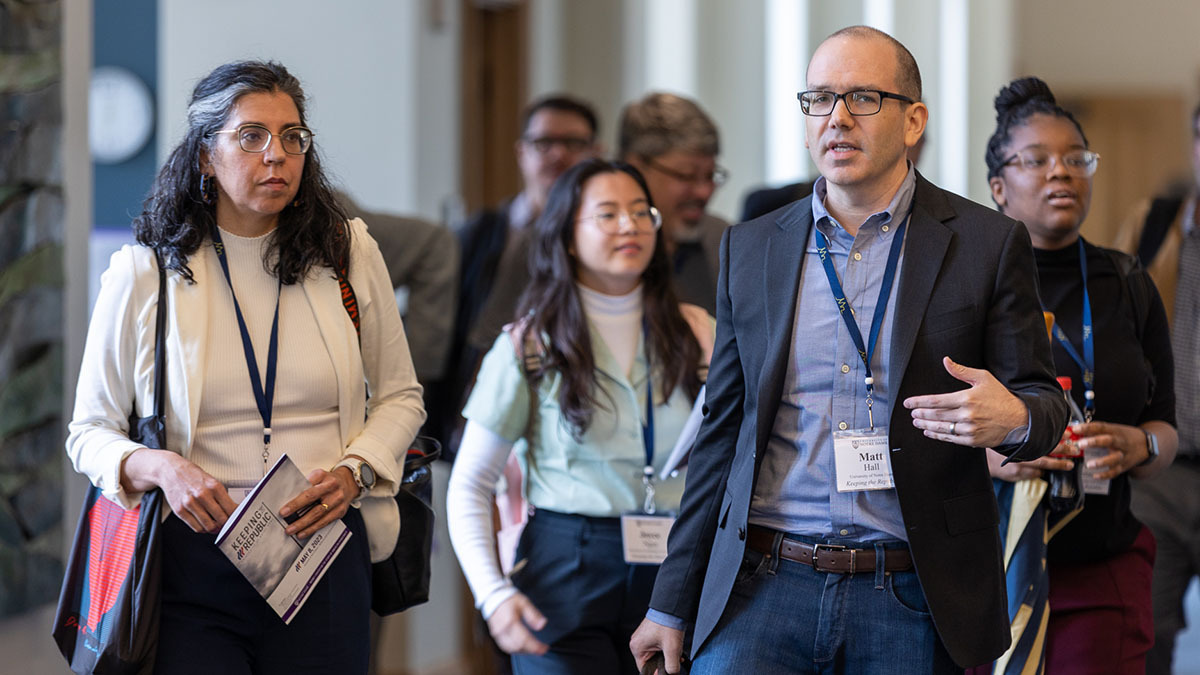
Bringing scholars together from across disciplines and from around the world to seek big answers to complex questions.
Learn more about our centers, institutes, and special programs