On behalf of the Center for Citizenship and Constitutional Government (CCCG), the Center for the Constitution and the Catholic Intellectual Tradition (CIT), and the Notre Dame Law Review (NDLR), we are pleased to announce a symposium on October 30, 2026, on Professor Marc O. DeGirolami’s book, The Constitution of Practice (forthcoming from Cambridge University Press, July 14, 2026). The symposium will be hosted at Notre Dame Law School.
For several years, Professor DeGirolami has been the leading scholar in the nation on an approach to constitutional adjudication he terms “traditionalism.” In a series of articles, Professor DeGirolami has systematically defined traditionalism, explained what makes it distinctive from other historical methodologies (such as originalism), offered normative justifications for traditionalism, and demonstrated the pervasive influence of tradition in constitutional adjudication across the rights and structure domains. The Constitution of Practice is not a repackaging of Professor DeGirolami's prior work; it is a from-scratch, new presentation of his methodology that provides a more extensive normative justification, responds at greater length to counterarguments, and links traditionalism with the broader politico-theoretical concept of tradition. To mark the publication of this important book, our three organizations are coming together to host this symposium.
Participants

Haley Proctor is an Associate Professor at Notre Dame Law School, where she researches and teaches about procedure, evidence, conflicts, and the administrative state. She is a public member of the Administrative Conference of the United States. She was previously a partner at Cooper & Kirk PLLC, where she remains of counsel, and a law clerk to Justice Clarence Thomas and Judge Thomas B. Griffith. ㅤㅤㅤㅤㅤㅤㅤㅤㅤㅤㅤㅤㅤㅤㅤㅤㅤㅤㅤㅤㅤㅤㅤㅤㅤㅤㅤㅤㅤㅤㅤㅤㅤㅤㅤㅤㅤㅤㅤㅤㅤㅤㅤㅤㅤㅤㅤㅤㅤㅤㅤㅤㅤㅤㅤㅤㅤㅤㅤㅤㅤㅤㅤㅤㅤㅤㅤㅤㅤㅤㅤㅤㅤㅤㅤㅤㅤㅤㅤㅤㅤㅤㅤㅤㅤㅤㅤㅤㅤㅤㅤㅤㅤㅤㅤㅤㅤㅤㅤㅤㅤㅤㅤㅤㅤㅤㅤㅤㅤㅤㅤㅤㅤㅤㅤㅤㅤㅤㅤㅤㅤㅤㅤㅤㅤㅤㅤㅤㅤㅤㅤㅤㅤㅤㅤㅤㅤㅤㅤㅤㅤㅤㅤㅤㅤㅤㅤㅤㅤㅤㅤㅤㅤㅤㅤㅤㅤㅤㅤㅤㅤㅤㅤㅤㅤㅤㅤㅤㅤㅤㅤㅤㅤㅤㅤㅤㅤㅤㅤㅤㅤㅤㅤㅤㅤㅤㅤㅤㅤㅤㅤㅤㅤㅤㅤㅤㅤㅤㅤㅤㅤㅤㅤㅤㅤㅤㅤㅤㅤㅤㅤㅤㅤㅤㅤㅤㅤㅤㅤㅤㅤㅤㅤㅤㅤㅤㅤㅤㅤㅤㅤㅤㅤㅤㅤㅤㅤㅤㅤㅤㅤㅤㅤㅤㅤㅤㅤㅤㅤㅤㅤㅤㅤㅤㅤㅤㅤㅤㅤㅤㅤㅤㅤㅤㅤㅤㅤㅤㅤㅤㅤㅤㅤㅤㅤㅤㅤㅤㅤㅤㅤㅤㅤㅤㅤ

Darrell A. H. Miller is the Harry N. Wyatt Professor of Law at the University of Chicago Law School. A scholar of civil rights, constitutional law, and legal history, his work has been cited by several courts, including the Supreme Court of the United States. With Joseph Blocher, he is author of The Positive Second Amendment: Rights, Regulation, and the Future of Heller (Cambridge University Press, 2018). Miller is a graduate of Harvard Law School, Oxford University (where he studied as a Marshall Scholar) and Anderson University.ㅤㅤㅤㅤㅤㅤㅤㅤㅤㅤㅤㅤㅤㅤㅤㅤㅤㅤㅤㅤㅤㅤㅤㅤㅤㅤㅤㅤㅤㅤㅤㅤㅤㅤㅤㅤㅤㅤㅤㅤㅤㅤㅤㅤㅤㅤㅤㅤㅤㅤㅤㅤㅤㅤㅤㅤㅤㅤㅤㅤㅤㅤㅤㅤㅤㅤㅤㅤㅤㅤㅤㅤㅤㅤㅤㅤㅤㅤㅤㅤㅤㅤㅤㅤㅤㅤㅤㅤㅤㅤㅤㅤㅤㅤㅤㅤㅤㅤㅤㅤㅤㅤㅤㅤㅤㅤㅤㅤㅤㅤㅤㅤㅤㅤㅤㅤㅤㅤㅤㅤㅤㅤㅤㅤㅤㅤㅤㅤㅤㅤㅤㅤㅤㅤㅤㅤㅤㅤㅤㅤㅤㅤㅤㅤㅤㅤㅤㅤㅤㅤㅤㅤㅤㅤㅤㅤㅤㅤㅤㅤㅤㅤㅤㅤㅤㅤㅤㅤㅤㅤㅤㅤㅤㅤㅤㅤㅤㅤㅤㅤㅤㅤㅤㅤㅤㅤㅤㅤㅤㅤㅤㅤㅤㅤㅤㅤㅤㅤㅤㅤㅤㅤㅤㅤㅤㅤㅤㅤㅤㅤㅤㅤㅤㅤㅤㅤㅤㅤㅤㅤㅤㅤㅤㅤㅤ

Lawrence B. Solum is Professor of Law at Texas A&M University; his prior appointments include the University of Virginia, Georgetown University, and the University of Illinois. He received his J.D. magna cum laude from Harvard Law School and his B.A. with highest departmental honors in philosophy from UCLA. He edits the Legal Theory Blog and the Legal Theory Lexicon. His scholarship centers on constitutional theory and the debate between originalists and living constitutionalists, with particular attention to the bearing of linguistics and the philosophy of language on constitutional interpretation. Solum’s articles have appeared in the Harvard, Yale, Michigan, Virginia, and University of Chicago law reviews, among many others; recent work includes “For Constitutional Theory” forthcoming in the California Law Journal and “Making the Party Presentation Principle Safe for Originalism” in the University of Pennsylvania Law Review. His foundation article “Legal Personhood for Artificial Intelligence,” written in 1992, established the functionalist framework for evaluating argument about the moral and legal status of artificial intelligences.ㅤㅤㅤㅤㅤㅤㅤㅤㅤㅤㅤㅤㅤㅤㅤㅤㅤㅤㅤㅤㅤㅤㅤㅤㅤㅤㅤㅤㅤㅤㅤㅤㅤㅤㅤㅤㅤㅤㅤㅤㅤㅤㅤㅤㅤㅤㅤㅤㅤㅤㅤㅤㅤㅤㅤㅤㅤㅤㅤㅤㅤㅤㅤㅤㅤㅤㅤㅤㅤㅤㅤㅤㅤㅤㅤㅤㅤㅤㅤㅤ

Sherif Girgis joined the Notre Dame Law faculty in 2021 after practicing appellate litigation at Jones Day and clerking for U.S. Supreme Court Justice Samuel Alito and D.C. Circuit Judge Thomas Griffith. His constitutional law scholarship appears in top journals—including Harvard, Yale, Columbia, and NYU—and he has co-authored two books on marriage and religious liberty, along with editing two major casebooks. A 2025 member of the American Academy of Sciences & Letters and a 2026 visiting professor at Harvard Law, his work is frequently cited by judges and major media. Girgis holds a Ph.D. and B.A. from Princeton, a master’s from Oxford as a Rhodes Scholar, and a J.D. from Yale.ㅤㅤㅤㅤㅤㅤㅤㅤㅤㅤㅤㅤㅤㅤㅤㅤㅤㅤㅤㅤㅤㅤㅤㅤㅤㅤㅤㅤㅤㅤㅤㅤㅤㅤㅤㅤㅤㅤㅤㅤㅤㅤㅤㅤㅤㅤㅤㅤㅤㅤㅤㅤㅤㅤㅤㅤㅤㅤㅤㅤㅤㅤㅤㅤㅤㅤㅤㅤㅤㅤㅤㅤㅤㅤㅤㅤㅤㅤㅤㅤㅤㅤㅤㅤㅤㅤㅤㅤㅤㅤㅤㅤㅤㅤㅤㅤㅤㅤㅤㅤㅤㅤㅤㅤㅤㅤㅤㅤㅤㅤㅤㅤㅤㅤㅤㅤㅤㅤㅤㅤㅤㅤㅤㅤㅤ

Jeffrey Pojanowski is the Biolchini Family Professor of Law at the University of Notre Dame Law School. He has written on administrative law, constitutional and statutory interpretation, general jurisprudence, and the philosophy of private law. His current research focuses on interpretive theory. He serves as the co-editor of the American Journal of Jurisprudence. Pojanowski received his undergraduate education at Princeton University and earned his law degree from Harvard Law School. He clerked for then-Judge John G. Roberts, Jr. on the United States Court of Appeals for the D.C. Circuit and Justice Anthony M. Kennedy on the Supreme Court of the United States. He had an administrative law and appellate litigation practice at Latham & Watkins LLP in Washington DC before joining the Notre Dame Law School faculty in 2010.ㅤㅤㅤㅤㅤㅤㅤㅤㅤㅤㅤㅤㅤㅤㅤㅤㅤㅤㅤㅤㅤㅤㅤㅤㅤㅤㅤㅤㅤㅤㅤㅤㅤㅤㅤㅤㅤㅤㅤㅤㅤㅤㅤㅤㅤㅤㅤㅤㅤㅤ

Kevin C. Walsh is Knights of Columbus Professor of Law and the Catholic Tradition at The Catholic University of America Columbus School of Law. Professor Walsh clerked for Justice Antonin Scalia on the Supreme Court of the United States and for Judge Paul V. Niemeyer on the United States Court of Appeals for the Fourth Circuit. He is a graduate of Harvard Law School, the University of Notre Dame, and Dartmouth College.ㅤㅤㅤㅤㅤㅤㅤㅤㅤㅤㅤㅤㅤㅤㅤㅤㅤㅤㅤㅤㅤㅤㅤㅤㅤㅤㅤㅤㅤㅤㅤㅤㅤㅤㅤㅤㅤㅤㅤㅤㅤㅤㅤㅤㅤㅤㅤㅤㅤㅤㅤㅤㅤㅤㅤㅤㅤㅤㅤㅤㅤㅤㅤㅤㅤㅤㅤㅤㅤㅤㅤㅤㅤㅤㅤㅤㅤㅤㅤㅤㅤㅤㅤㅤㅤㅤㅤㅤㅤㅤㅤㅤㅤㅤㅤㅤㅤㅤㅤㅤㅤㅤㅤㅤㅤㅤㅤㅤㅤㅤㅤㅤㅤㅤㅤㅤㅤㅤㅤㅤㅤㅤㅤㅤㅤㅤㅤㅤㅤㅤㅤㅤㅤㅤㅤㅤㅤㅤㅤㅤㅤㅤㅤㅤㅤㅤㅤㅤㅤㅤㅤㅤㅤㅤㅤㅤㅤㅤㅤㅤㅤㅤㅤㅤㅤㅤㅤㅤㅤㅤㅤㅤㅤㅤㅤㅤㅤㅤㅤㅤㅤㅤㅤㅤㅤㅤㅤㅤㅤㅤㅤㅤㅤㅤㅤㅤㅤㅤㅤㅤㅤㅤㅤㅤㅤㅤㅤㅤㅤㅤㅤㅤㅤㅤㅤㅤㅤㅤㅤㅤㅤㅤㅤㅤㅤㅤㅤㅤㅤㅤㅤㅤㅤㅤㅤㅤㅤㅤㅤㅤㅤㅤㅤㅤㅤㅤㅤㅤㅤㅤㅤㅤㅤㅤㅤㅤㅤㅤㅤㅤㅤㅤㅤㅤㅤㅤㅤㅤㅤㅤㅤㅤㅤㅤㅤㅤㅤㅤㅤㅤ
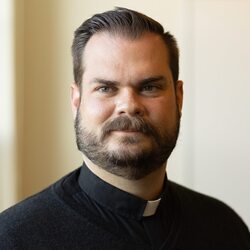
Fr. Christopher Justin Brophy, O.P. is Senior Vice President of Mission and Ministry, Director of the Center for Catholic and Dominican Studies, and Associate Professor of Politics at Providence College. He earned his degree in Political Theory and Constitutional Studies at the University of Notre Dame in 2020. His research and teaching revolves around Classical Political Thought, especially Plato, Contemporary Political Thought, Philosophy of Education, and the Catholic Intellectual Tradition. Fr. Justin is also an active preacher, having delivered various public talks and retreats.ㅤㅤㅤㅤㅤㅤㅤㅤㅤㅤㅤㅤㅤㅤㅤㅤㅤㅤㅤㅤㅤㅤㅤㅤㅤㅤㅤㅤㅤㅤㅤㅤㅤㅤㅤㅤㅤㅤㅤㅤㅤㅤㅤㅤㅤㅤㅤㅤㅤㅤㅤㅤㅤㅤㅤㅤㅤㅤㅤㅤㅤㅤㅤㅤㅤㅤㅤㅤㅤㅤㅤㅤㅤㅤㅤㅤㅤㅤㅤㅤㅤㅤㅤㅤㅤㅤㅤㅤㅤㅤㅤㅤㅤㅤㅤㅤㅤㅤㅤㅤㅤㅤㅤㅤㅤㅤㅤㅤㅤㅤㅤㅤㅤㅤㅤㅤㅤㅤㅤㅤㅤㅤㅤㅤㅤㅤㅤㅤㅤㅤㅤㅤㅤㅤㅤㅤㅤㅤㅤㅤㅤㅤㅤㅤㅤㅤㅤㅤㅤㅤㅤㅤㅤㅤㅤㅤㅤㅤㅤㅤㅤㅤㅤㅤㅤㅤㅤㅤㅤㅤㅤㅤㅤㅤㅤㅤㅤㅤㅤㅤㅤㅤㅤㅤㅤㅤㅤㅤㅤㅤㅤㅤㅤㅤㅤ

Charles L. Barzun is the William Minor Lile Professor of Law at the University of Virginia School of Law and Director of the Joint-Degree J.D./M.A. Program in Legal History. He has taught at UVA since 2008, and his scholarship, which has been published in the Stanford Law Review, University of Chicago Law Review, and Virginia Law Review, explores the intersections of legal philosophy, history, and constitutional theory. He received his A.B. from Harvard and his J.D./M.A. from Virginia, clerked on the Second Circuit, and was a Climenko Fellow at Harvard Law School before joining the faculty.ㅤㅤㅤㅤㅤㅤㅤㅤㅤㅤㅤㅤㅤㅤㅤㅤㅤㅤㅤㅤㅤㅤㅤㅤㅤㅤㅤㅤㅤㅤㅤㅤㅤㅤㅤㅤㅤㅤㅤㅤㅤㅤㅤㅤㅤㅤㅤㅤㅤㅤㅤㅤㅤㅤㅤㅤㅤㅤㅤㅤㅤㅤㅤㅤㅤㅤㅤㅤㅤㅤㅤㅤㅤㅤㅤㅤㅤㅤㅤㅤㅤㅤㅤㅤㅤㅤㅤㅤㅤㅤㅤㅤㅤㅤㅤㅤㅤㅤㅤㅤㅤㅤㅤㅤㅤㅤㅤㅤㅤㅤㅤㅤㅤㅤㅤㅤㅤㅤㅤㅤㅤㅤㅤㅤㅤㅤㅤㅤㅤㅤㅤㅤㅤㅤㅤㅤㅤㅤㅤㅤㅤㅤㅤㅤㅤㅤㅤㅤㅤㅤㅤㅤㅤㅤㅤㅤㅤㅤㅤㅤㅤㅤㅤㅤㅤㅤㅤㅤㅤㅤㅤㅤㅤㅤㅤ

Lael Weinberger is an assistant professor of law at George Mason University Antonin Scalia Law School. Previously, Lael clerked for Justice Neil Gorsuch on the United States Supreme Court, Judge Frank Easterbrook on the Seventh Circuit Court of Appeals, and Chief Justice Daniel Eismann on the Idaho Supreme Court. Lael also practiced law at the Washington, D.C., office of Gibson Dunn and held fellowships at Stanford and Harvard law schools. Lael earned a law degree and a Ph.D. in history, both from the University of Chicago. Lael's academic work has appeared in journals such as the University of Chicago Law Review, Notre Dame Law Review, and Constitutional Commentary, among others. He has also written widely for broader public audiences, with his writings and reviews appearing in publications including Newsweek, National Review, Claremont Review, First Things, Christianity Today, LA Review of Books, World, and the New Rambler Review.
Originally published at constudies.nd.edu.